Staying Connected on the Go: What an Elderly GPS Tracker Offers
Why Staying Connected Matters More as We Age
Getting out of the house is good for the mind and the body. A walk around the block, a trip to the local shops, or a visit to a friend's place keeps life interesting. Yet for older adults and their families, these everyday outings can bring a nagging worry. What if someone gets turned around, feels unwell and cannot call for help, or simply forgets the way home? That concern does not need to keep anyone indoors. A small, wearable device with GPS can change the picture, offering peace of mind without changing anyone's routine.
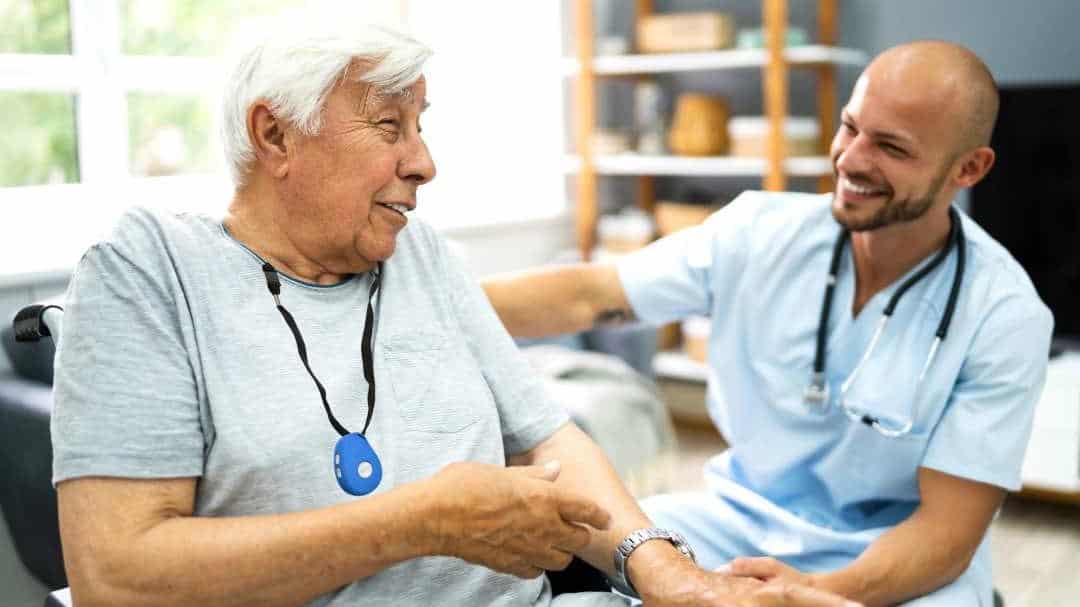
An elderly GPS tracker is a lightweight device worn on the wrist, clipped to a belt, or carried in a pocket. It uses satellite signals to know where the wearer is at any moment. That information can be shared with family members or a monitoring service, so someone always knows roughly where the person is. The idea is not about surveillance. It is about making sure that when something unexpected happens, help can find them quickly. For many families, that simple fact turns a worrying outing into a confident one.
How a GPS Tracker Works in Practice
The technology inside these devices is simpler than it sounds. A GPS chip receives signals from satellites orbiting the earth. By measuring the time it takes for those signals to arrive, the device can calculate its position to within a few metres. That position is then sent over the mobile phone network to a secure online account that the family can check on their own phone or computer. Some devices update the location every minute or two; others send a position only when the wearer presses a button or when the device detects a fall.
The best designs do not require the wearer to do anything technical. Once the device is charged and turned on, it works automatically. The person goes about their day, and the family can glance at an app to see that Mum is still at the park or that Dad has arrived safely at the club. If the wearer ever feels lost or worried, a press of an SOS button connects them to a response centre or calls a family member directly. Many devices also include two-way calling, so the wearer can speak to someone who can help, even if they cannot explain where they are.
What "Location Support Away from Home" Really Means
For someone who lives independently, the ability to go out without a chaperone is a big part of staying active and happy. A tracker provides what we call location support away from home: the quiet reassurance that if the unexpected happens, someone will know where to look. This kind of support matters especially for people who have memory concerns. A person might set out for the dairy and end up walking in the wrong direction. With real-time location sharing, a family member can gently guide them back or go and meet them. The device does not replace a conversation or a carer's attention, but it adds a safety net that works even when no one is watching.
The same location support away from home is valuable during longer trips, too. A visit to a relative in another city, a day out at a garden show, or even a holiday can be more relaxed when everyone knows that the tracker is working. The wearer can explore at their own pace, and the family does not have to check in every five minutes. It is a small shift, but it changes the tone of the outing from anxious to enjoyable.
What to Look for in a Wearable Device
Not all trackers are the same, and choosing one means thinking about how the person actually lives. Here are a few features that matter most:
- Battery life. A device that needs charging every night might be forgotten. Look for a battery that lasts at least a day of typical use, and check how easy it is to recharge.
- Water resistance. Rain, hand washing, and the occasional splash should not stop the tracker from working. A rating of IP67 or better means it can handle being submerged briefly.
- Fall detection. Many devices can automatically sense a hard fall and send an alert without the wearer pressing a button. This is a useful safety feature for anyone who is unsteady on their feet.
- Two-way calling. Being able to speak to a person at a monitoring centre or a family member directly from the device can be a lifeline when the wearer is upset or confused.
- Simple controls. A single SOS button and maybe a second button for calling a specific person are enough. Too many buttons can be confusing in a stressful moment.
Another factor is mobile coverage. The device sends its location over the cellular network, so it needs to work in the areas where the person actually goes. In New Zealand, most of the populated areas have good coverage, but it is worth checking with the provider if the person lives in a rural or remote spot. Some devices also use Wi-Fi or Bluetooth for indoor positioning, which helps when the GPS signal is weak inside a shopping centre or a concrete building.

How Families Use the Information
The way families interact with the tracker varies. Some people like to check the app a few times a day to confirm that their elderly relative has gone to their usual places. Others set up geofences: virtual boundaries around the home, the local shops, or the community centre. If the wearer leaves a geofenced area, the family gets an automatic alert. This can be a gentle way of knowing that Dad has left the house without having to call him.
It is important to talk about the device before using it. Most older adults appreciate the safety it provides, but they also value their privacy. A direct conversation about why the tracker is being introduced and how it helps everyone can avoid misunderstandings. The goal is not to watch every move but to make sure that help can reach them quickly if they ever need it. When the wearer understands that they can still go wherever they want and that the device only shares location when it is needed, they are usually happy to wear it.
Practical Tips for Everyday Use
Getting the most from a GPS tracker means building it into a daily routine. Charge the device overnight, just like a phone. Check that the battery is full before a planned outing. If the device has a clip or a wristband, make sure it is comfortable and secure. Some people prefer to wear it on a lanyard around the neck, while others like a discreet belt clip. Test the SOS button with the wearer so they know what to expect when they press it. A quick practice call can also help them feel confident using the two-way calling feature.
Family members should set up the app or online account and familiarise themselves with the location history and alert settings. It is also a good idea to test the geofence alerts a couple of times to see how quickly they arrive. If the alert is delayed or does not come at all, contact the device provider for help. Once everything is working smoothly, the tracker becomes something you barely think about, until the moment you need it.

Moving Forward with Confidence
Staying connected during trips, walks, and everyday outings is not about adding complexity to someone's life. It is about removing a hidden source of stress so that older adults can keep doing the things they enjoy. A well-chosen elderly GPS tracker gives families a practical tool for outdoor safety and gives the wearer the freedom to move at their own pace. The technology is mature, the devices are affordable, and the process is straightforward. For anyone who worries about a loved one when they step out the door, a tracker is one of the simplest ways to turn that worry into quiet reassurance.